
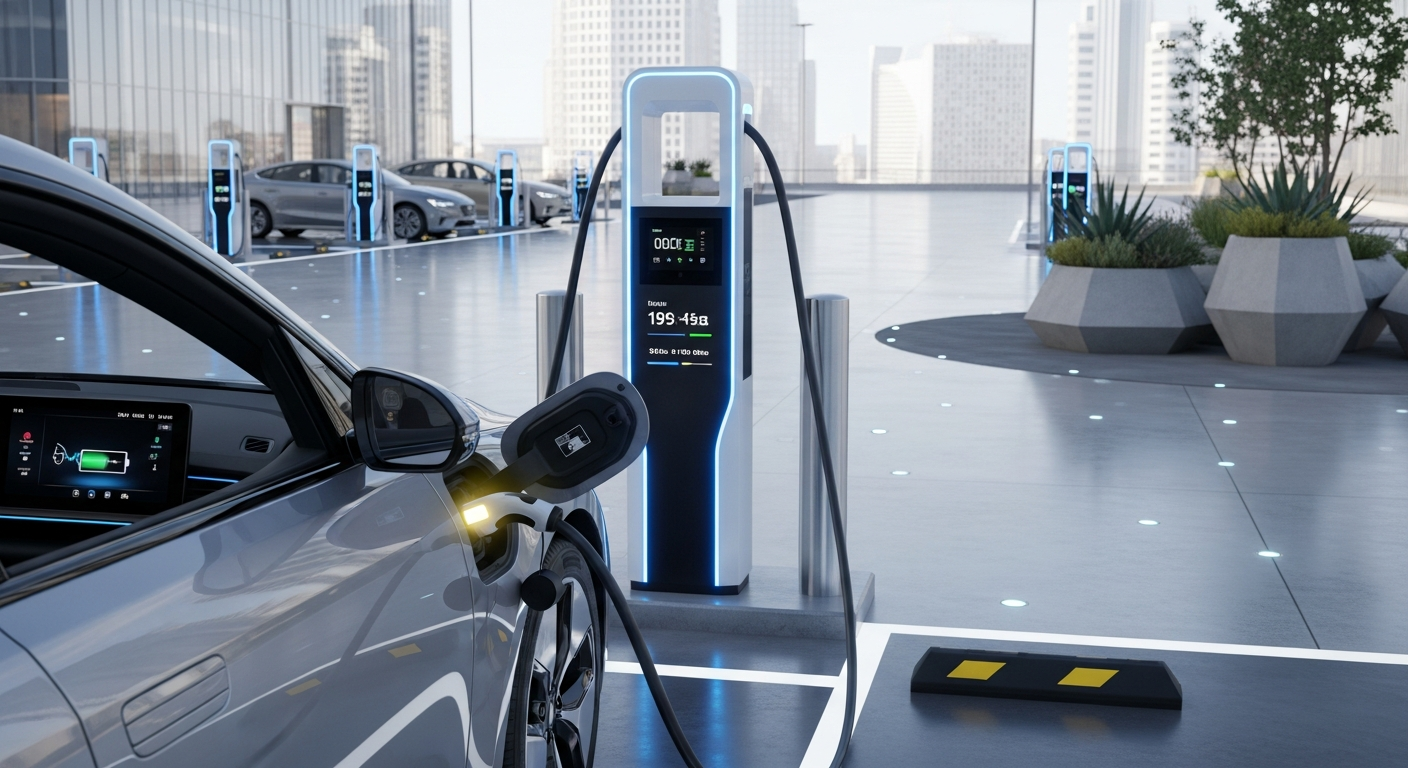
Thinking about buying your first electric car? It's an exciting step towards a greener future, but there are a few important things to think about before you make the switch. This guide will help you understand what matters most when choosing your perfect EV.
1. What is my daily driving range need?
Range is how far an electric car can go on a single charge. Think about how many miles you drive each day for work, errands, and typical trips. Most modern EVs offer plenty of range for daily commutes, often between 200-300 miles, which is more than enough for most people's needs.
2. Do I have access to home charging?
Charging at home is the most convenient way to own an EV. You simply plug it in overnight, like your phone. If you live in an apartment or don't have a driveway, public charging stations or workplace charging become more important. This is a key factor to consider for your daily routine.
3. What is my budget for an EV?
Electric cars come in a wide range of prices, just like gasoline cars. Consider not just the purchase price, but also potential savings on fuel and maintenance. While some EVs might have a higher upfront cost, they can save you money in the long run due to cheaper "fuel" (electricity) and fewer moving parts.
Gasoline Car Costs
- Higher fuel costs (gasoline)
- More frequent maintenance (oil changes, spark plugs)
- Potentially lower upfront price
Electric Car Costs
- Lower "fuel" costs (electricity)
- Less maintenance (fewer moving parts)
- Potentially higher upfront price
4. Are there local incentives for EV purchases?
Many governments offer incentives like tax credits, rebates, or grants to encourage people to buy electric cars. These can significantly reduce the overall cost of an EV. Check your national, state, and local government websites to see what programs are available in your area before you buy.
5. What kind of EV (BEV, PHEV, FCEV) is right for me?
There are different types of electric vehicles. A Battery Electric Vehicle (BEV) runs purely on electricity. A Plug-in Hybrid Electric Vehicle (PHEV) has both an electric motor and a gasoline engine, offering flexibility. A Fuel Cell Electric Vehicle (FCEV) uses hydrogen, but charging stations are very rare. For most first-time buyers, a BEV or PHEV is the best choice.
6. How important is charging speed to me?
Charging speed matters most for long trips or if you rely heavily on public charging. Home charging (Level 2) is slower but convenient overnight. Public fast chargers (DC Fast Charging) can add many miles of range in a short time, often 20-30 minutes. If you often take road trips, faster charging will be a bigger priority.
7. What are the common EV brands and models?
The EV market is growing rapidly. Popular brands include Tesla, Ford, Hyundai, Kia, Chevrolet, and Volkswagen, all offering various models from compact cars to SUVs. Researching different models will help you find one that fits your style, needs, and budget. Look at reviews and compare features.
EV Charging Flow
8. Should I buy new or used EV?
Buying a used EV can be a great way to save money, as they often depreciate faster than gasoline cars. However, new EVs come with the latest battery technology, full warranties, and access to all available incentives. Consider your budget and how important the newest features and longest battery life are to you.
9. How does EV maintenance differ from gasoline cars?
EVs generally require less maintenance than gasoline cars. They don't need oil changes, spark plug replacements, or complex exhaust system checks. You'll still need to maintain tires, brakes (though regenerative braking reduces wear), and windshield wipers. This often translates to lower long-term running costs.
10. Can I test drive an EV easily?
Yes, test driving an EV is highly recommended and usually easy to arrange. Most dealerships that sell EVs offer test drives. It's the best way to experience the quiet ride, instant acceleration, and overall feel of an electric car. Try to test drive a few different models to compare them.