
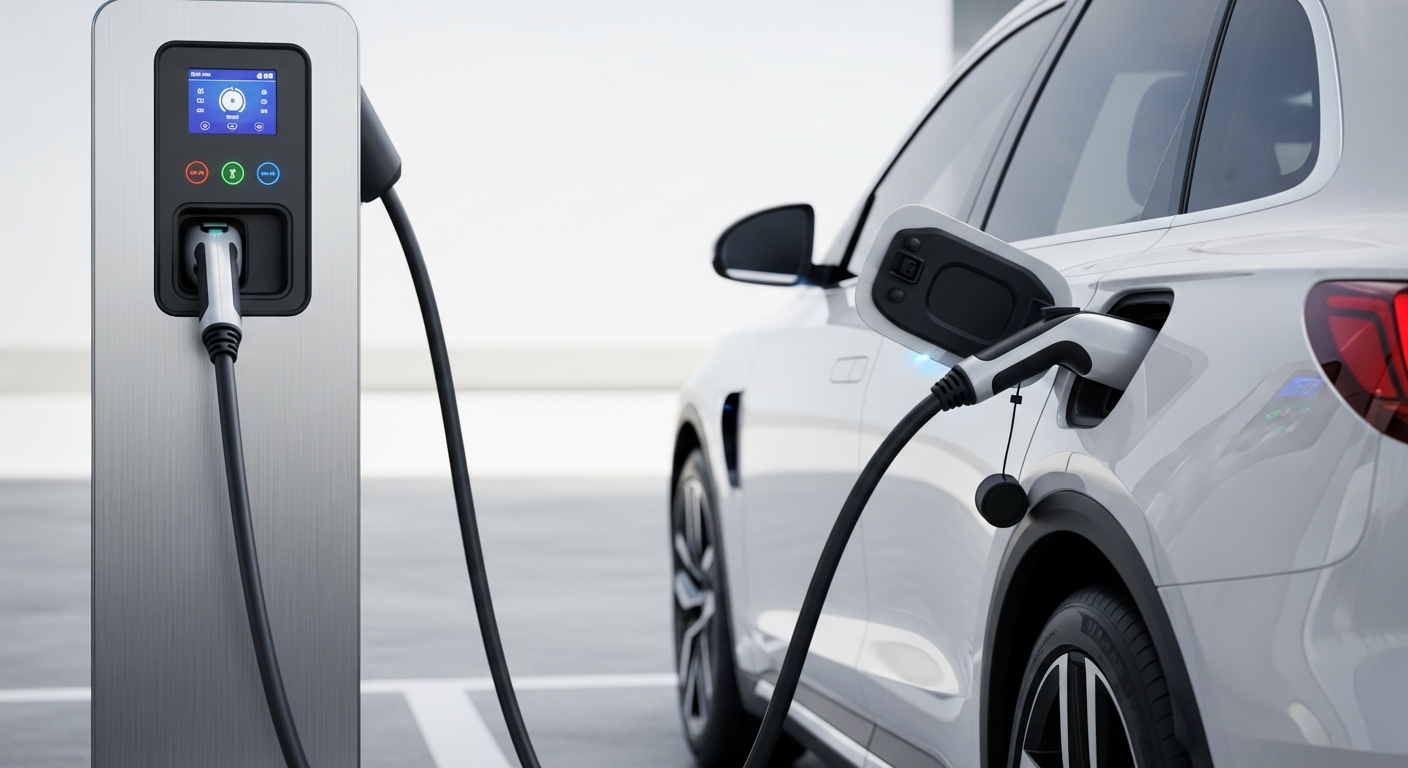
Thinking about buying your first electric car (EV)? It's an exciting time, but there are a few new things to learn compared to traditional gas cars.
This guide will walk you through the most important considerations to help you make a smart choice.
1. What is the initial cost of an electric car?
The upfront price of electric cars can sometimes be higher than similar gas cars. However, prices are coming down quickly as more models become available. Remember to look at the total cost of ownership, which includes fuel savings and lower maintenance, not just the sticker price.
2. Are there government incentives for buying EVs?
Yes, absolutely! Many governments offer incentives like tax credits, rebates, or even grants to encourage people to buy EVs. These can significantly reduce the effective purchase price. It’s important to check what specific programs are available in your country, state, or even local area, as they can change.
3. What is range and why is it important?
Range is simply how far an electric car can travel on a single full charge, similar to how many miles a gas car can go on a full tank. It's measured in miles or kilometers. A longer range means you can drive further without needing to recharge, which is important for longer trips or if you don't have easy access to charging every day.
Short-Range EV (e.g., 150 miles)
- Lower initial cost
- Great for city driving
- Ideal for daily commutes
- Frequent charging needed for long trips
Long-Range EV (e.g., 300+ miles)
- Higher initial cost
- Better for road trips
- Less frequent charging
- More flexibility for travel
4. How do I choose the right EV for my needs?
Consider your daily driving habits first. How many miles do you drive each day? Do you take frequent long trips? Also, think about your lifestyle: do you need a small city car, an SUV for family, or a powerful sedan? Match these needs with an EV's range, size, and features.
5. What are the maintenance costs for an electric car?
Electric cars generally have lower maintenance costs than gas cars. They have fewer moving parts, no oil changes, spark plugs, or complex exhaust systems. You'll still need to maintain tires, brakes (though regenerative braking reduces wear), and windshield wipers, but overall, expect to save money on servicing.
6. Is a used EV a good idea?
Buying a used EV can be an excellent way to save money and still enjoy the benefits of electric driving. Battery technology has improved, so even older models can offer good range. Always check the battery health and warranty, just like you'd check the engine on a used gas car.
7. What are hybrid cars versus pure EVs?
A pure EV runs solely on electricity and has no gas engine. A hybrid car combines a gas engine with an electric motor and battery. Plug-in hybrids (PHEVs) can run on electricity for a limited range and then switch to gas. Pure EVs offer zero tailpipe emissions and full electric savings, while hybrids offer flexibility for longer trips without needing to find a charger.
EV Charging Flow
8. How does resale value compare to gas cars?
Historically, EV resale values were a bit uncertain, but they are stabilizing and becoming more predictable. As battery technology improves and charging infrastructure expands, demand for used EVs is growing. Many newer EVs hold their value well, sometimes even better than comparable gas cars, especially with government incentives for new buyers.
9. Do I need a special garage for an EV?
No, you don't need a "special" garage. You can charge an EV using a standard wall outlet (Level 1 charging), though it's very slow. Most EV owners install a Level 2 charger at home, which requires a dedicated 240-volt outlet, similar to what a clothes dryer uses. This allows for much faster charging overnight.
10. What insurance considerations are there for EVs?
Insurance for EVs can sometimes be slightly higher than for gas cars, mainly due to the advanced technology and potentially higher repair costs for specialized components like batteries. However, this varies greatly by model and insurance provider. It's always wise to get quotes from several insurers before buying to understand the costs.