
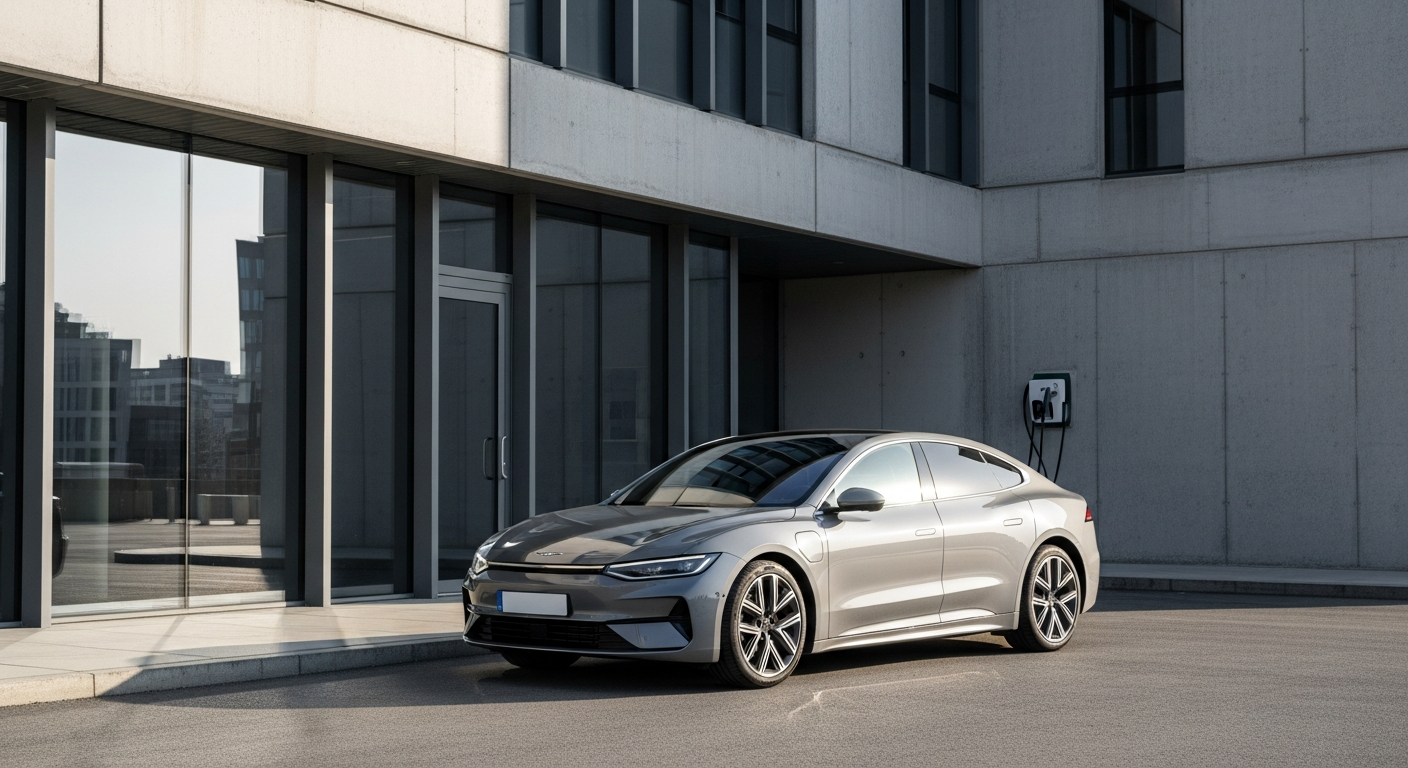
Thinking about buying your first electric car? It's an exciting step towards a greener future, but it can feel a bit overwhelming with all the new terms and options. This guide will help you understand the basics and make a smart choice.
1. What key features should I look for in an EV?
When shopping for an EV, consider range (how far it goes on a charge), charging speed (how quickly it refills its battery), and battery size (bigger usually means more range). Also, check for smart tech like advanced driver-assistance systems (ADAS) for safety and a user-friendly infotainment system.
2. How important is range when buying an EV?
Range is very important, but it depends on your daily driving habits. If you mostly drive short distances, a car with a 150-200 mile range might be enough. For longer commutes or frequent road trips, you'll want an EV with 250+ miles of range to reduce "range anxiety" – the worry of running out of power.
3. What are common EV terms I should know?
You'll hear "kWh" (kilowatt-hour), which measures battery capacity, like gallons in a gas tank. "Charging Levels" (Level 1, 2, 3/DC Fast Charging) refer to how quickly you can charge. "Regenerative Braking" is a feature that recharges the battery slightly when you slow down, improving efficiency.
New EV
- Latest technology & features
- Full manufacturer warranty
- Eligible for all tax credits
- Higher initial cost
Used EV
- Lower purchase price
- Less depreciation hit
- May have older battery tech
- Limited warranty remaining
4. Should I buy a new or used electric car?
Buying new gives you the latest tech, full warranty, and access to all federal and local incentives. Used EVs are cheaper and have already taken the biggest depreciation hit. However, their battery might have less capacity, and warranties could be shorter. Consider your budget and how long you plan to keep the car.
5. How do I test drive an electric car effectively?
During your test drive, pay attention to the instant acceleration and quiet ride. Test regenerative braking to see how it feels. Drive on different roads – city streets, highways – to get a feel for its handling. Check visibility and the ease of using the infotainment system and charging port.
6. What questions should I ask the dealer about an EV?
Ask about the actual range in various conditions, charging options (home and public), battery warranty (usually 8 years/100,000 miles), and maintenance schedule. Inquire about any specific EV incentives or charging station partnerships the dealership might offer. Understand the total cost of ownership.
7. What charging setup do I need at home?
Most EV owners install a Level 2 charger at home. This requires a 240-volt outlet (like for a dryer) and can fully charge your car overnight. A standard wall outlet (Level 1) is much slower and only suitable for very low daily mileage. Professional installation is recommended for Level 2.
Home EV Charging Flow
8. Are there tax credits or rebates for buying an EV?
Yes, federal tax credits up to $7,500 are available for new EVs that meet certain requirements, like battery component sourcing. Many states and even local utility companies offer additional rebates or incentives for EV purchases and home charger installations. Check government websites for the latest information.
9. How does EV insurance compare to gasoline cars?
EV insurance can sometimes be slightly higher than gasoline cars due to the advanced technology, specialized parts, and higher repair costs for components like the battery. However, this varies greatly by model and insurer. Always get multiple quotes to compare rates for the specific EV you're interested in.
10. What's the difference between BEV, PHEV, and HEV?
"BEV" (Battery Electric Vehicle) is a pure electric car, running only on a battery. "PHEV" (Plug-in Hybrid Electric Vehicle) has both an electric motor and a gasoline engine; it can run on electricity for a certain range, then switches to gas. "HEV" (Hybrid Electric Vehicle) uses a gas engine and an electric motor together but cannot be plugged in to charge the battery.