
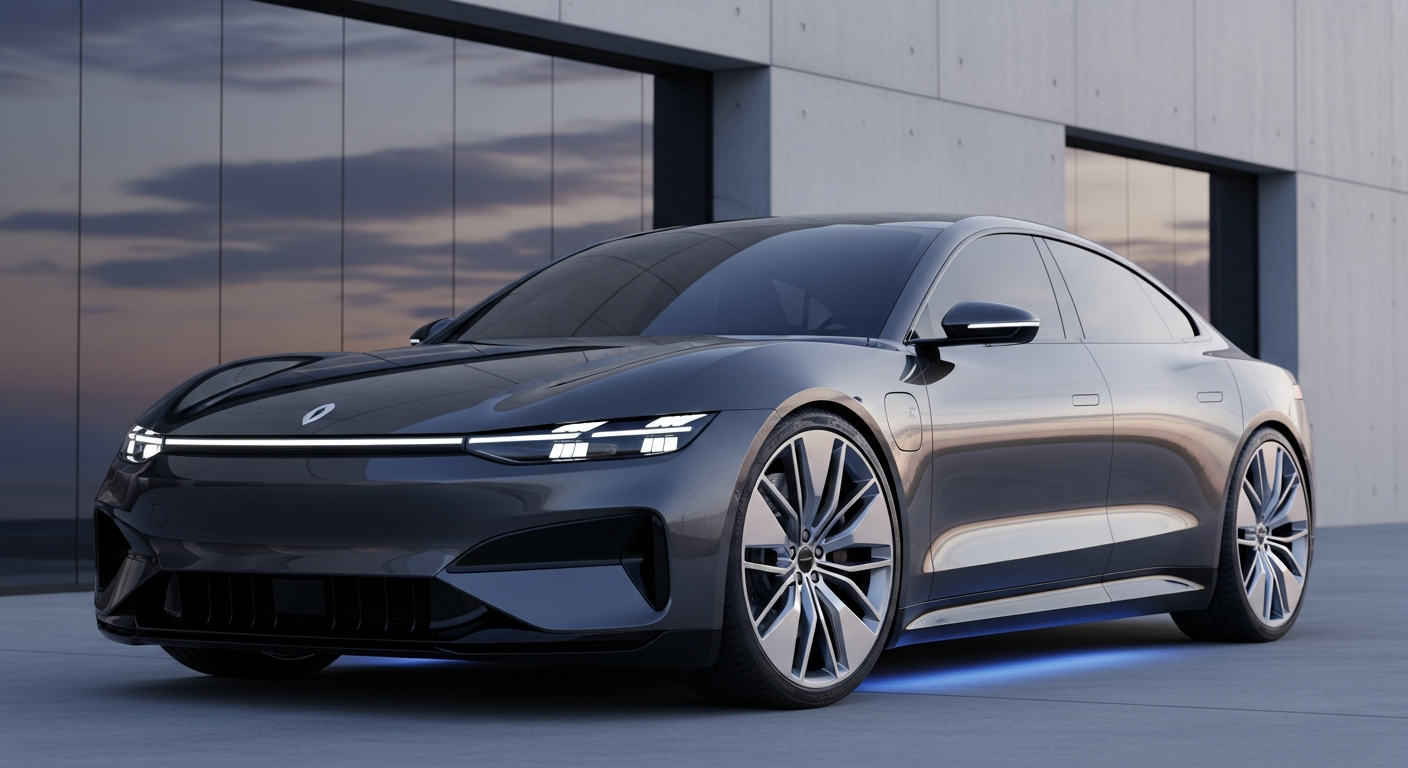
What Are the Key Things to Consider Before Buying an Electric Car?
Thinking about buying an electric car (EV)? It's an exciting time to go electric, but there are a few important things to understand first. This guide will help you make a smart choice before you buy.1. What is EV range anxiety?
EV range anxiety is simply the worry that your electric car won't have enough battery power to reach your destination or the next charging station. It's like worrying about running out of gas, but for an EV. Modern EVs often have ranges over 200 miles, which is enough for most daily driving.2. How much does an electric car cost?
The upfront cost of an electric car can sometimes be higher than a similar gasoline car. However, prices are coming down, and many factors like fuel savings, lower maintenance, and government incentives can make EVs cheaper in the long run. Think about the total cost over several years, not just the sticker price.3. Are there government incentives for buying EVs?
Yes, many governments offer incentives to encourage people to buy electric cars. These can include tax credits, rebates, or even special perks like access to carpool lanes. These incentives can significantly lower the effective price of an EV, so it's wise to check what's available in your area.Full Electric Vehicle (EV)
- Runs only on electricity
- No gasoline engine
- Zero tailpipe emissions
- Needs charging stations
- Longer electric range
Plug-in Hybrid Electric Vehicle (PHEV)
- Runs on electricity AND gasoline
- Has both an electric motor and a gas engine
- Can be charged or refueled
- Shorter electric range
- Good for longer trips without charging worries
Best for daily commutes, eco-conscious drivers
Best for mixed driving, less charging access
4. What's the difference between full EV and PHEV?
A full EV (Electric Vehicle) runs purely on electricity and has no gasoline engine. A PHEV (Plug-in Hybrid Electric Vehicle) has both an electric motor and a gasoline engine. PHEVs can run on electricity for shorter distances, then switch to gasoline for longer trips, offering more flexibility.5. How do I choose the right EV for me?
Consider your daily driving needs, such as how far you typically drive and if you have easy access to charging. Think about the car's size, your budget, and features important to you. Research different models and read reviews to find one that fits your lifestyle.6. What about insurance for EVs?
Insurance costs for EVs can vary. Some insurers might charge more due to the advanced technology and potentially higher repair costs for specialized components. However, others might offer discounts for EVs due to their safety features or lower risk of theft. It's best to get quotes from multiple providers.7. What are the maintenance costs for an EV?
Electric cars generally have lower maintenance costs than gasoline cars. They have fewer moving parts, meaning no oil changes, spark plug replacements, or complex exhaust systems. You'll still need to maintain tires, brakes, and wipers, but overall, routine servicing is simpler and often cheaper.EV Maintenance Flow
Fewer moving parts than gas cars
➡️
No oil changes, spark plugs, or fuel filters
➡️
Mainly tires, brakes, cabin filters, and fluid checks
➡️
Generally lower long-term service costs