
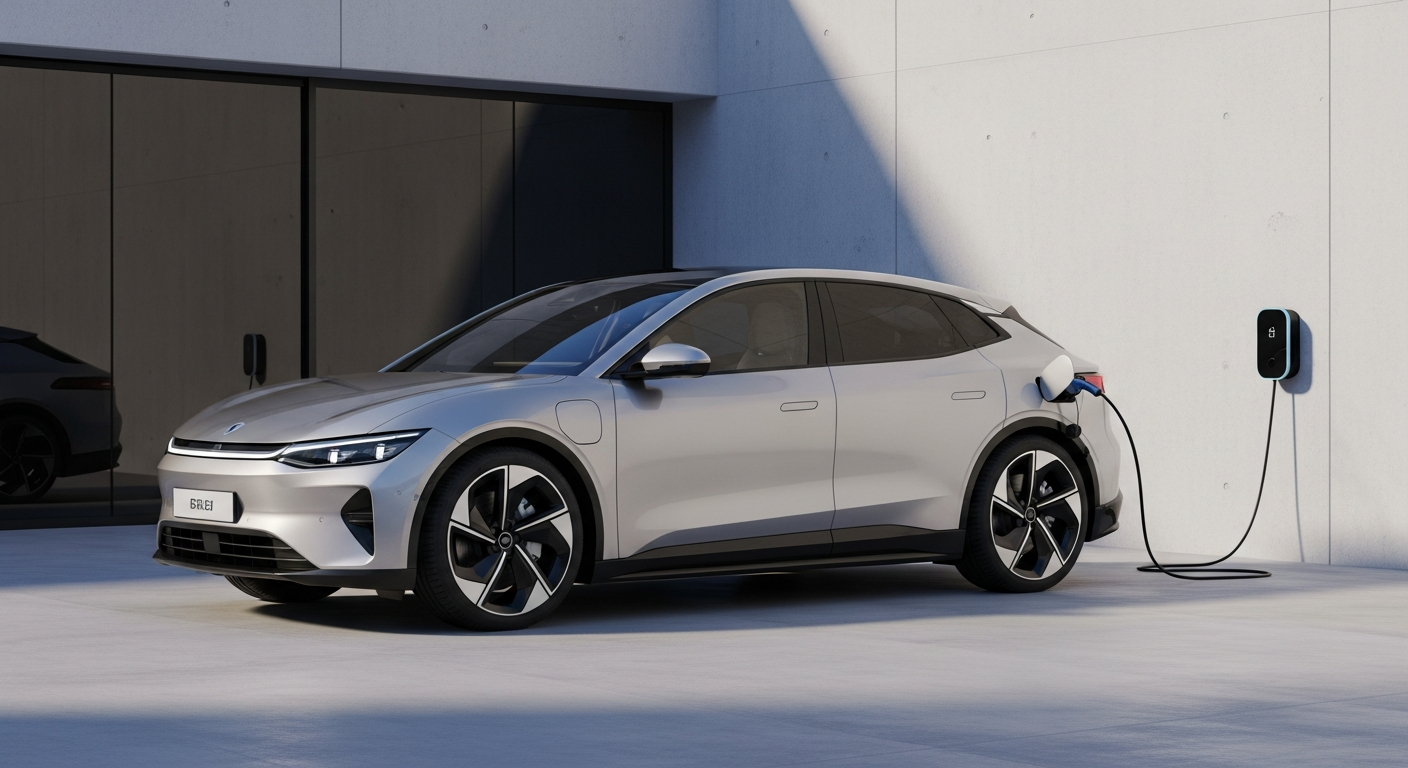
Thinking about buying an electric vehicle (EV)? It's a big decision with many things to consider. This guide will help you understand the main benefits and downsides of owning an EV in 2026.
1. What are the environmental benefits of EVs?
EVs produce zero tailpipe emissions, meaning they don't release harmful gases into the air as you drive. This helps improve air quality in cities and reduces your carbon footprint, which is your personal contribution to climate change. The electricity used to charge EVs can come from renewable sources like solar or wind power, making them even greener.
2. Do electric cars save money on fuel?
Yes, generally they do! Electricity is usually cheaper per mile than gasoline. The exact savings depend on electricity prices where you live and how much you drive. Many EV owners can charge at home overnight when electricity rates are lower, leading to significant savings compared to filling up a gas tank.
3. Are electric cars cheaper to maintain?
Often, yes. EVs have fewer moving parts than gasoline cars. This means no oil changes, spark plug replacements, or complex exhaust systems. While they still need tire rotations, brake checks, and other standard car maintenance, the overall cost can be lower over time due to fewer major components that wear out.
Electric Vehicle
- No tailpipe emissions
- Quieter ride
- Lower "fuel" costs
- Fewer moving parts
Gasoline Vehicle
- Quick refueling
- Longer range per fill-up
- Lower upfront cost
- Wider repair network
4. What incentives are available for buying an EV?
Many governments offer incentives to encourage EV adoption. These can include federal tax credits, state rebates, and local perks like free parking or access to carpool lanes. These incentives can significantly reduce the upfront cost of buying an EV. It's important to check what's available in your specific region as they can change.
5. What are the disadvantages of electric cars?
The main downsides include a higher upfront purchase price compared to similar gasoline cars, and "range anxiety" – the worry about running out of battery before finding a charging station. Charging can also take longer than filling a gas tank. The availability of charging infrastructure, especially in rural areas, can also be a concern for some drivers.
6. Is EV battery replacement expensive?
EV battery replacement can be expensive, often costing several thousand dollars. However, this is a rare occurrence. Most EV batteries are designed to last for many years, often longer than the car itself, and come with long warranties (typically 8-10 years or 100,000-150,000 miles). Battery technology is also constantly improving, making replacements less common and potentially more affordable over time.
7. Do electric cars perform well in cold weather?
Cold weather can reduce an EV's range because the battery is less efficient and more energy is used for cabin heating. However, modern EVs are designed with advanced battery management systems to minimize these effects. Pre-heating your car while it's still plugged in can help maintain range and keep you warm without draining the battery as much.
EV Charging Time (Approx.)
From 20% to 80% battery
- Standard Home Outlet (Level 1) 20+ Hours
- Dedicated Home Charger (Level 2) 4-8 Hours
- Public Fast Charger (DC Fast) 20-60 Mins
8. Are electric cars safe in a crash?
Yes, electric cars are very safe. They undergo the same rigorous safety tests as gasoline vehicles and often perform exceptionally well. The heavy battery pack is typically located low in the chassis, which can lower the car's center of gravity and reduce the risk of rollovers. Many EVs also include advanced safety features as standard.
9. How long do EV batteries last?
Most EV batteries are designed to last for 10 to 20 years. While they may gradually lose a small amount of capacity over time, similar to a smartphone battery, this "degradation" is usually slow. Manufacturers typically offer warranties covering the battery for at least 8 years or 100,000 miles, ensuring peace of mind for owners.
10. Can I take an EV on a long road trip?
Absolutely! Taking an EV on a long road trip is increasingly common and convenient. The charging infrastructure, especially fast chargers, is rapidly expanding along major highways. Planning your route with charging stops is key, and many in-car navigation systems and smartphone apps can help you find compatible chargers along your journey. Modern EVs offer ranges of 250-400 miles on a single charge.