
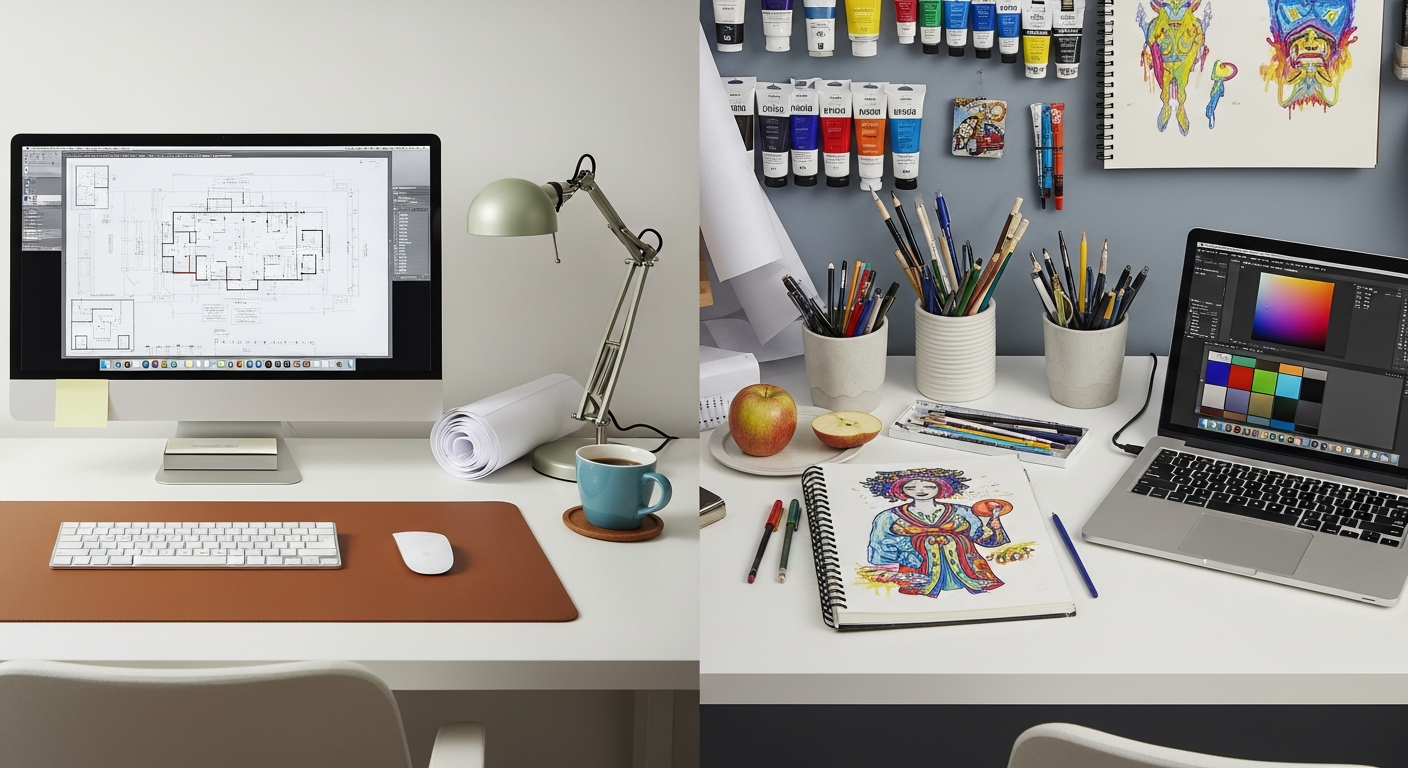
Working from home offers great flexibility, but it can also blur the lines between your job and your personal life. This guide helps you find a healthy balance so you can enjoy both aspects of your life.
1. How do I set clear boundaries between work and home?
Setting boundaries means creating clear rules for when you work and when you don't. This helps your brain switch between "work mode" and "home mode." Decide on a start and end time for your workday and stick to them as much as possible.
Communicate these times to your family or housemates. For example, tell them, "I'm working from 9 AM to 5 PM." This helps everyone understand when you're available for work and when you're available for personal matters.
2. Is it okay to have a dedicated workspace at home?
Yes, it's highly recommended! A dedicated workspace, even a small corner, signals to your brain that "this is where I work." This helps you focus during work hours and mentally "leave" work when you step away from it.
Your workspace doesn't need to be a fancy office. It could be a specific desk, a quiet corner of a room, or even just one side of your dining table that you only use for work. The key is consistency.
3. How can I avoid working overtime when working remotely?
The biggest trick is to set a firm end time for your workday and stick to it. Before you finish, make a quick plan for what you'll tackle first tomorrow. This helps you close down your work without feeling like you need to keep going.
Also, schedule short breaks throughout your day to avoid feeling overwhelmed. Step away from your screen, stretch, or grab a drink. These small pauses can boost your energy and help you be more efficient during your actual work hours.
Working Overtime
- Blurry work/life lines
- Increased stress and fatigue
- Less time for personal life
- Risk of burnout
Ending on Time
- Clear boundaries
- More energy and focus
- Time for hobbies and family
- Improved well-being
4. What activities help me de-stress after work?
After your workday ends, engage in activities that help you mentally switch off. This could be anything you enjoy. Try going for a walk, listening to music, reading a book, cooking a meal, or spending time with family or pets.
The goal is to do something completely different from work. This helps your brain relax and recover, making you feel refreshed for the next day. Avoid immediately jumping into another screen-based activity if your work involves a lot of screen time.
5. How do I manage interruptions from family members?
Clear communication is key. Explain your work schedule to your family and ask for their support in respecting your work time. You can use visual cues, like closing a door or wearing headphones, to signal that you're focused.
For younger children, try to schedule your most focused work during their nap times or when another adult can supervise them. For important tasks, communicate that you need uninterrupted time and will be available at a specific break time.
6. Should I schedule "me time" when working from home?
Absolutely! "Me time" is crucial for your mental health and energy levels. It's time dedicated solely to yourself, doing something you enjoy without any obligations. Think of it as recharging your personal battery.
Even short bursts of "me time" can make a difference. This could be 15 minutes of quiet reflection, a short hobby session, or just enjoying a cup of tea without distractions. Schedule it like any other important appointment.
7. What's the importance of disconnecting from work tech?
Disconnecting means stepping away from your work computer, phone, and emails after hours. It's vital because staying connected keeps your brain in "work mode," making it hard to relax and truly switch off.
Set boundaries for checking work messages. Turn off notifications for work apps on your personal devices outside of work hours. This helps prevent work from creeping into your personal time and allows you to fully enjoy your evenings and weekends.
The Disconnect Flow
8. How can I maintain social connections outside of work?
Working from home can sometimes feel isolating, so actively seeking social connections is important. Schedule regular video calls with friends or family, join a local club or group, or participate in community activities.
Make an effort to meet up with people in person when possible. Even a quick coffee break with a neighbor or a walk with a friend can significantly boost your mood and sense of connection.
9. Is it healthy to work in my pajamas all day?
While comfortable, staying in pajamas can blur the line between sleep and work, making it harder to feel productive or switch off. Getting dressed, even in casual clothes, signals to your brain that your day has officially started.
It helps create a routine and a sense of professionalism, even if no one else sees you. You don't need to wear a suit, but changing into "day clothes" can positively impact your mindset and energy levels.
10. How do I handle feelings of burnout from remote work?
Burnout is a state of physical or emotional exhaustion. If you feel this, it's a sign you need to re-evaluate your work-life balance. Start by strictly enforcing your work hours and taking all your breaks.
Talk to your manager about your workload if it feels overwhelming. Prioritize self-care activities like exercise, healthy eating, and good sleep. If feelings persist, consider seeking advice from a healthcare professional or counselor.