
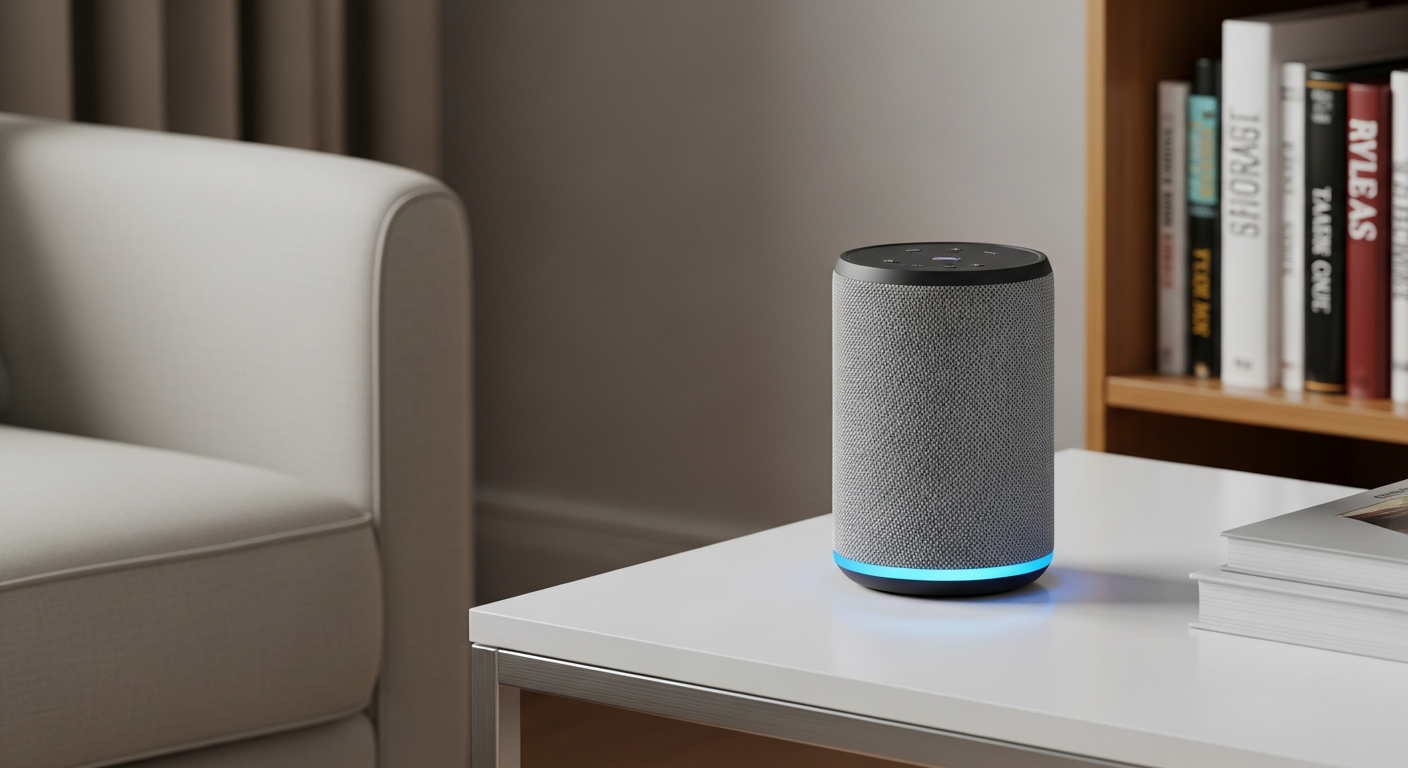
Assistive technology makes daily tasks easier for seniors and people with disabilities. It uses smart tools to help with things like remembering, moving around, and communicating.
1. What is assistive technology?
Assistive technology (AT) refers to any item, piece of equipment, software, or product system that is used to increase, maintain, or improve the functional capabilities of individuals with disabilities. Simply put, it's any tool that helps someone do things they might find difficult.
This can range from simple tools like a jar opener to advanced devices like voice-controlled smart home systems. The goal is to promote independence and make everyday life more manageable and safer for everyone.
2. How can voice-activated devices help around the house?
Voice-activated devices, like smart speakers, let you control lights, thermostats, and even call family members just by speaking. This is great for people who have trouble moving or reaching switches.
You can ask them to play music, set reminders, or get weather updates without pressing any buttons. They can significantly simplify daily routines and provide a sense of control and connection.
3. Are there smart medication dispensers?
Yes, smart medication dispensers are designed to help you remember to take your pills on time. They can provide audio and visual reminders and dispense the correct dose at scheduled times.
Some even alert family members or caregivers if a dose is missed. This technology helps ensure medication adherence, which is crucial for health and well-being, reducing worry for both users and their loved ones.
Simple Medication Aids
- Pill boxes with daily compartments
- Manual timers
- Basic reminders
- Low cost
Smart Medication Dispensers
- Automated dispensing
- Audio/visual alerts
- Caregiver notifications
- Higher cost, more features
4. What about tools for opening jars or turning knobs?
Many simple, non-electronic tools can make everyday tasks easier. These include jar openers with good grip, lever-style door handles, and knob turners.
These aids reduce the need for strong grip or fine motor skills, helping people maintain independence in the kitchen and around the house. They are often inexpensive and very effective.
5. Can technology help with remembering things?
Absolutely! Beyond smart medication dispensers, there are many tools for memory assistance. Smart calendars can send reminders for appointments and tasks, while digital voice recorders can capture important notes.
Some apps can even help organize daily routines or provide prompts for common activities. These tools help manage schedules and recall information, reducing stress and improving organization.
6. Are there devices to help with hearing or vision?
Yes, a wide range of devices supports hearing and vision. For hearing, there are personal sound amplifiers, amplified phones, and smart doorbells that flash lights instead of just ringing.
For vision, tools like screen readers for computers, magnifiers for reading, and smart canes with obstacle detection can be very helpful. These technologies open up the world for those with sensory challenges.
7. How do I find the right assistive tech for my needs?
Finding the right technology starts with understanding your specific challenges and goals. Think about what tasks are most difficult for you. Consulting with an occupational therapist or an assistive technology specialist can be very beneficial.
They can assess your needs and recommend suitable devices. Many organizations also offer demonstrations or trial periods for different technologies, allowing you to try before you commit.
Finding Your Tech Match
- Identify Daily Challenges
- Consult a Specialist (e.g., OT)
- Research & Explore Options
- Try Before You Buy (if possible)
- Implement & Adjust
8. Is this technology expensive?
The cost of assistive technology varies widely. Simple tools like jar openers are very affordable, while advanced smart home systems or specialized medical devices can be more expensive.
However, many basic and effective solutions are budget-friendly. It's important to consider the long-term benefits to independence and safety when evaluating costs. Some insurance plans or government programs may also offer assistance.
9. Can I get help installing it?
Yes, many assistive technology devices are designed for easy setup. For more complex systems, retailers often offer installation services. Family members, friends, or local tech support services can also help.
Additionally, some non-profit organizations or community centers provide free or low-cost assistance with setting up new technology. Don't hesitate to ask for help to ensure everything works correctly.
10. Where can I learn more about available options?
Many resources are available to help you learn more. Websites of organizations dedicated to seniors and accessibility, local disability resource centers, and even public libraries often have information. Online forums and communities can also offer peer advice.
Your doctor or an occupational therapist can also point you to reputable sources and specialists. Exploring these options will help you make informed decisions about assistive technology.