
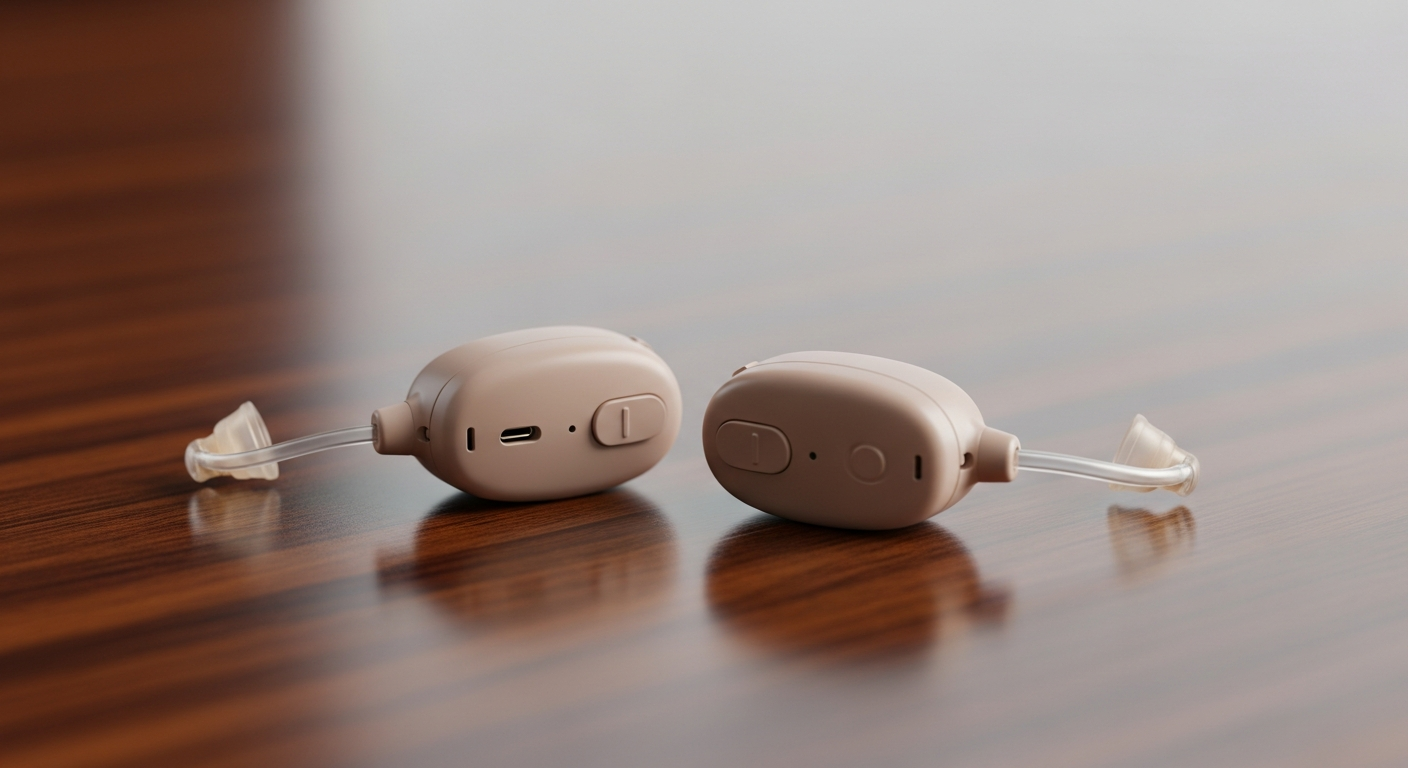
Living with hearing impairment can be challenging, but technology offers many solutions to make daily life easier and more connected. This guide will introduce you to various assistive technologies designed to help you hear better and communicate more effectively.
1. How can technology help people with hearing impairment?
Technology helps by making sounds louder, clearer, or by changing sound into other forms like text or vibrations. This can improve communication, safety, and access to entertainment. It bridges the gap between what a person can hear and what they need to hear.
2. What are common features of modern hearing aids?
Modern hearing aids are tiny computers that sit in or behind your ear. They amplify sounds, reduce background noise, and can connect wirelessly to smartphones or TVs. Many are rechargeable and can adjust settings automatically based on your surroundings.
3. How do captioning services work for TV and videos?
Captioning services display spoken words as text on your screen. "Closed captions" can be turned on or off, while "open captions" are always visible. They work by either pre-transcribing content or using real-time speech recognition for live broadcasts, making sure you don't miss any dialogue.
Closed Captions
- Can be turned ON or OFF
- Often available on TV, streaming services
- Good for personal preference
Open Captions
- Always visible, cannot be turned off
- Common in cinemas, some online videos
- Good for shared viewing experiences
4. Can my smartphone help amplify sounds?
Yes, many smartphones have built-in features or apps that can act as personal sound amplifiers. You can use your phone's microphone to pick up sounds and then listen through headphones or connected hearing aids. This is useful for one-on-one conversations or listening to a speaker from a distance.
5. What are vibrating alerts and how do they work?
Vibrating alerts use tactile feedback instead of sound to notify you. Devices like smartwatches, smartphones, or specialized alarm clocks vibrate to signal calls, messages, alarms, or even a doorbell. This is crucial for those who cannot hear audible alerts, ensuring they don't miss important notifications.
6. Are there special phones for people with hearing loss?
Absolutely. There are phones with extra-loud ringers, amplified receivers, and visual alerts like flashing lights for incoming calls. Some even include built-in captioning displays that show a real-time transcript of conversations, making phone calls much more accessible.
7. How do smart speakers assist with hearing impairment?
Smart speakers like Amazon Echo or Google Home can assist by providing visual cues and controlling smart home devices. You can ask them to display information on a connected screen, set visual timers, or even flash smart lights for alarms. Some can also connect to hearing aids via Bluetooth.
Smart Speaker Assistance Flow
8. What apps help with transcribing speech to text?
Many apps can transcribe spoken words into text in real-time. Examples include Google Live Transcribe, Microsoft Translator, and Otter.ai. These apps are incredibly useful for conversations, lectures, or meetings, providing a visual record of what's being said instantly on your phone or tablet.
9. How can I make phone calls easier to hear?
Besides specialized phones, you can use captioned telephone services, which provide real-time text of your conversation. Using Bluetooth-enabled hearing aids that stream calls directly to your ears also helps. Speakerphone mode or video calls with visual cues can also improve clarity.
10. Where can I find support for hearing assistive tech?
You can find support from audiologists, hearing aid specialists, and local organizations for people with hearing loss. Websites like the Hearing Loss Association of America (HLAA) or government disability services offer resources, guides, and community support to help you navigate assistive technologies.