
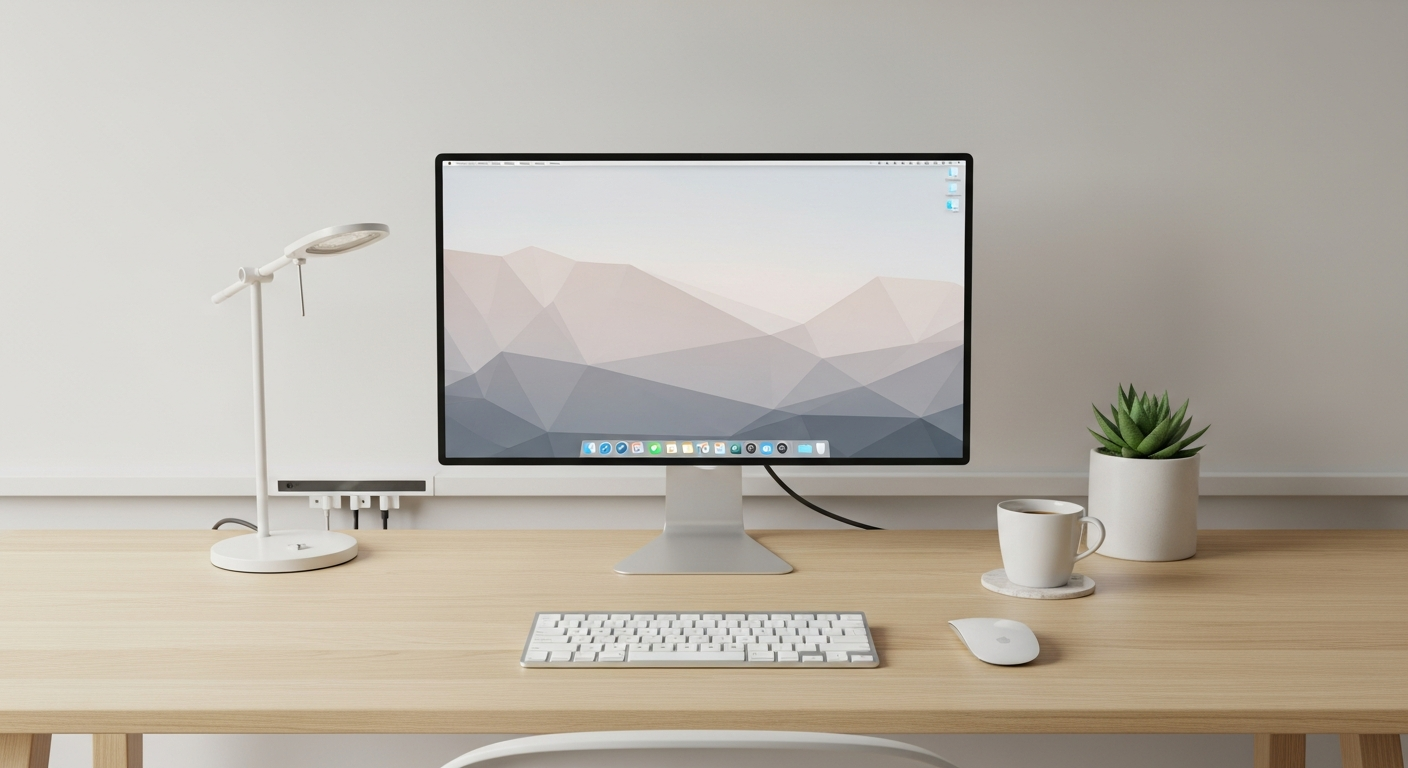
Starting remote work can be exciting, but it also brings new challenges, especially in balancing your job with your personal life. This guide will help beginners navigate these waters to find harmony.
1. How do I set boundaries between work and personal life?
Think of your work and personal life as two separate rooms. Set clear "start" and "end" times for your workday, just like you would in an office. Communicate these hours to your colleagues and family, making it clear when you are available for work and when you are not.
Establish routines that signal the start and end of your workday. This could be getting dressed for work in the morning and changing into comfy clothes afterward. These small actions help your brain switch between work mode and personal mode.
2. What strategies help me "unplug" after work?
When your workday ends, physically close your work computer or put it away. Avoid checking work emails or messages outside of your set hours. Engage in a transition activity, like a short walk, listening to music, or tidying up your workspace, to mentally shift gears.
Focus on activities that have nothing to do with work. This could be cooking, reading a book, spending time with loved ones, or pursuing a hobby. The goal is to fully disconnect your mind from work tasks and give yourself a true break.
3. How can I avoid working overtime constantly?
Plan your day with a clear to-do list and prioritize tasks. Focus on completing your most important work within your scheduled hours. Be realistic about what you can achieve and learn to say "no" to new tasks if your plate is already full.
Use a timer to stay focused during work periods and to remind yourself when it's time to stop. Regularly review your workload and discuss expectations with your manager if you consistently find yourself needing more than your scheduled hours to complete tasks.
Working Overtime
- Constant email checking
- Skipping breaks
- Feeling overwhelmed
- Burnout risk
Healthy Boundaries
- Defined work hours
- Regular breaks
- Time for hobbies
- Reduced stress
4. Should I have a dedicated workspace?
Yes, if possible, having a dedicated workspace is highly recommended. This could be a separate room, a corner of a room, or even just a specific desk. This physical separation helps your brain associate that space with work and other areas with relaxation.
A dedicated space also minimizes distractions and helps you focus. When you step into this area, it signals to your mind that it's time to be productive. When you leave it, you're signaling that work is done for the day.
5. How do I manage family interruptions during work hours?
Communicate your work schedule clearly to your family. Explain that while you are home, you are still working and need focused time. Use visual cues, like a "do not disturb" sign on your door or wearing headphones, to signal when you need uninterrupted time.
Schedule specific times for family interactions, like during lunch breaks or after work. For younger children, set up engaging activities they can do independently. It's about finding a balance between being present and getting your work done.
6. What if my family doesn't understand my work schedule?
Patience and clear communication are key. Explain to your family that remote work is still "real" work, even though you're at home. Share examples of what your workday involves and why focused time is important for your job responsibilities.
Involve them in setting up your work boundaries. For instance, you could ask them for ideas on how to signal when you're busy. Reiterate your schedule regularly and celebrate when they respect your work time, reinforcing positive behavior.
7. How can I maintain social connections remotely?
Actively schedule virtual coffee breaks or check-ins with colleagues. Join online communities related to your interests or hobbies. Make an effort to connect with friends and family through video calls, messaging, or by planning in-person meetups outside of work hours.
Don't underestimate the power of short, informal interactions. A quick text to a friend or a five-minute chat with a neighbor can make a big difference. Prioritize these connections as much as you prioritize your work tasks.
Building Remote Social Connections
8. What hobbies can help me relax after work?
Engaging in hobbies that are different from your work tasks is crucial for relaxation. Consider activities like gardening, cooking, painting, playing a musical instrument, reading, or exercising. Physical activities like walking, cycling, or yoga are excellent for stress relief.
The best hobbies are those that fully immerse you and take your mind off work. Experiment with different activities to find what truly brings you joy and helps you unwind. The goal is to create a clear mental break from your professional responsibilities.
9. How do I deal with guilt about not working?
It's common to feel guilty when you're not working, especially when your office is at home. Remind yourself that breaks and personal time are essential for productivity and long-term well-being. You are not being lazy; you are recharging.
Trust that you are doing your best during your designated work hours. When your workday is over, consciously shift your focus to your personal life. Recognize that taking time for yourself makes you a more effective and happier employee in the long run.
10. What are signs of burnout in remote work?
Burnout can show up as constant tiredness, feeling overwhelmed, a lack of motivation, irritability, or difficulty concentrating on tasks. You might also notice physical symptoms like headaches or trouble sleeping. It often feels like you're running on empty.
If you notice these signs, it's important to take action. This could mean taking a short break, reviewing your workload with your manager, or seeking support from a professional. Prioritizing your mental and physical health is key to preventing burnout.